
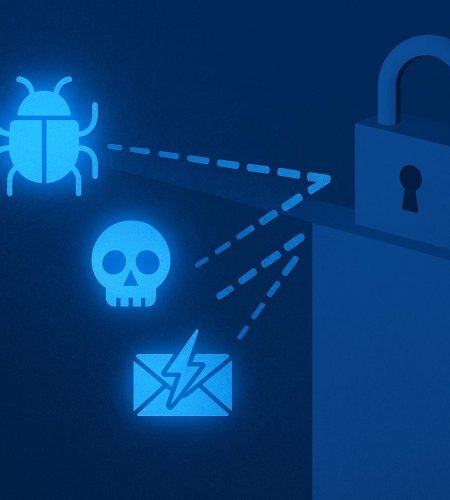
A traditional security model for executives and high-net-worth individuals (HNWIs) is pretty straightforward. Lock the door, guard the gate, and keep the room clear of anyone who does not need to be there. The model worked well before the introduction of the public internet. But with today’s digital connections, the attack surface is no longer confined to the physical space a target occupies. It includes a wide digital perimeter that can stretch across vast swathes of cyberspace.
That perimeter offers multiple connection points by way of smartphones, social media accounts, and the various activities among threat actors scattered across the dark web. Here is the problem: even the most elite close-protection teams are powerless to defend against threats in the digital realm. In order to protect a target in the 21st century, a security provider must also secure the digital perimeter.
One of the best tools for doing so is a suite of managed intelligence services (MIS) from a provider like Red5 Security. Red5 offers the following three scenarios for which physical security cannot account, scenarios best handled by MIS:
1. Life-Pattern Mapping
Digital threat actors leverage open-source intelligence to gather data on targets. They use that data to conduct life-pattern mapping, eventually using the resulting maps for blackmail, harassment, doxing, etc. Physical security is inadequate because a security guard is incapable of stopping a hacker located three thousand miles away from tracking down where the target’s children attend school.
MIS is much more effective in that it utilizes the same open-source intelligence to track threat actors and their activities. Meanwhile, analysts can also perform continuous digital footprint audits for the purposes of scrubbing sensitive data from all public databases. The combined response acts as digital hygiene that makes a threat actor’s job much more difficult.
2. Deepfake Impersonations
Thanks to advancements in deep learning and AI, we now live at a time when an executive’s voice and likeness can be captured from public sources and then used to make deepfake videos and audio files. Threat actors leverage these deepfake impersonations to do everything from authorizing fraudulent wire transfers to stealing corporate secrets.
A bodyguard does a fine job of protecting the physical space around an executive. But he has no ability to intercept fraudulent communications that flawlessly mimic the same person he is guarding. MIS’s ability to identify unauthorized uses of an executive’s likeness changes the game. Security analysts can detect potential deepfake impersonations in the earliest possible stages.
3. Disinformation and Reputation Attacks
An HNWI’s most valuable asset is often his reputation. Certain threat actors, looking to score a big payday or get revenge, will sometimes use sophisticated arrays of bots to spread disinformation by way of coordinated campaigns. Their actions can destroy a personal brand or tank stock prices. It can leave an HNWI open to extortion.
A physical security presence cannot tackle a digital rumor and put it to rest. MIS can. One MIS service known as Sentiment Analysis can we combined with early warning monitoring to detect disinformation campaigns even as they are being hatched. Legal and PR teams can spring into action to prevent the narrative from going viral.
These three scenarios by no means represent an exhaustive list of digital threats that physical security cannot stop. Rather, they are the tip of the iceberg. The threat landscape has changed thanks to the introduction of the public internet. It has changed in ways that expose physical security’s inherent weaknesses. While today’s executives and HNWIs still need a physical presence, they need a more secure digital perimeter as well.