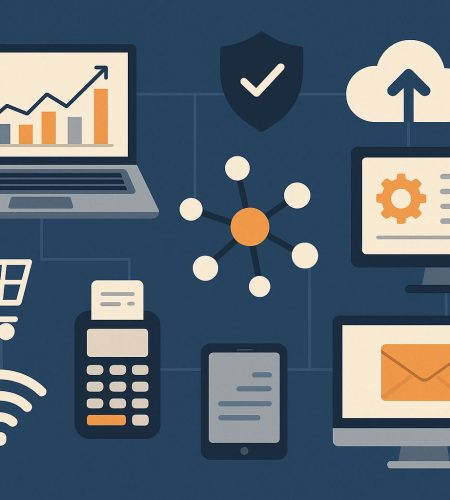
Modern business operations are defined by speed, efficiency, and seamless customer interactions. For small enterprise owners, leveraging technology is no longer an optional upgrade; it is a fundamental requirement for remaining competitive. This is the same in casino industry where australianonlinecasino online casino need to stay competitive to win players over. Modern software applications eliminate time-consuming administrative tasks, safeguard critical assets, and open direct channels to prospective clients. By integrating scalable digital tools into daily workflows, small companies can achieve enterprise-level productivity without requiring massive corporate budgets. Here are seven essential technologies every small business needs to thrive.
Cloud-Based Collaboration Platforms
Cloud computing infrastructure forms the foundation of modern team operations, enabling secure document access and communication from any location. Workspace suites allow employees to create documents, share spreadsheets, and store project files in centralized digital environments. Real-time document co-editing and synchronized cloud storage eliminate version control confusion and facilitate seamless hybrid working models. By replacing legacy local servers with reliable cloud solutions, small businesses lower overhead expenses while ensuring operational continuity across mobile devices.
Customer Relationship Management Systems
Maintaining detailed client history and managing lead pipelines manually becomes unsustainable as a company grows. Customer Relationship Management software organizes every prospective lead and client interaction into a single, structured database. The system tracks purchase history, logs communications, and automates follow-up tasks to ensure prospective deals move smoothly through sales channels. Having immediate access to organized customer insights empowers small teams to deliver personalized experiences, boost retention, and close sales opportunities far more efficiently.
Automated Accounting and Invoicing Tools
Managing cash flow, expense tracking, and tax compliance requires accuracy and consistency. Automated financial management software connects directly to business bank accounts to categorize transactions, log recurring expenses, and generate detailed profit-and-loss reports. Additionally, digital invoicing capabilities allow owners to issue professional estimates and automated payment reminders directly to clients. Removing manual data entry minimizes human error, improves liquidity, and simplifies year-end tax preparations for non-specialists. When you’re done with that, you should play your favourite games with a casino bonus to take a break from the world of business. But not for long.
Cyber Security and Password Protection Frameworks
Small businesses are increasingly targeted by digital security threats, making comprehensive cybersecurity protocols vital. Implementing multi-factor authentication, active virus protection, and encrypted password management tools safeguards sensitive client data and internal credentials. Password managers ensure employees use complex, unique log-in credentials without writing them down on unsafe physical records. Establishing multi-layered digital security protects small companies from expensive data breaches, ransomware disruptions, and reputational damage.
Artificial Intelligence and Workflow Automation Engines
Integrating lightweight workflow automation and generative artificial intelligence streamlines daily operational tasks across multiple departments. Automation tools seamlessly connect distinct applications, executing repetitive actions—such as syncing customer contact forms into CRM databases or forwarding sales notifications—without manual intervention. Meanwhile, AI platforms assist staff by drafting communication templates, summarizing lengthy reports, and conducting rapid research. Automating low-level admin work frees up staff time to focus on strategic, revenue-generating activities.
E-Commerce and Digital Payment Gateways
Modern consumers demand fast, flexible payment methods whether purchasing goods online or in-person. Digital payment platforms allow small businesses to accept credit cards, mobile wallets, and contactless payments securely with minimal transaction friction. E-commerce platforms further expand local storefronts into global marketplaces, offering integrated inventory management, shipping tracking, and secure checkout features. Providing smooth, versatile checkout options directly increases conversion rates and builds customer trust during transactions.
Social Commerce and Digital Marketing Tools
Building a recognizable brand identity requires a strategic digital marketing presence where target audiences spend time. Social commerce features enable businesses to showcase products and engage buyers directly within popular mobile networks. Complementary marketing platforms facilitate bulk email campaigns, target audience segmentation, and automated content scheduling. By utilizing targeted digital marketing software, small businesses can execute highly focused promotion campaigns, measure ROI accurately, and scale customer acquisition efforts cost-effectively.
Conclusion
Building a resilient, efficient small business relies on adopting technology that serves clear operational goals. Incorporating cloud computing, automated bookkeeping, robust cybersecurity, and integrated communication tools enables lean teams to operate with total agility. By adopting these seven core technologies, small business owners streamline internal processes, protect valuable assets, and build scalable foundations for long-term commercial success.