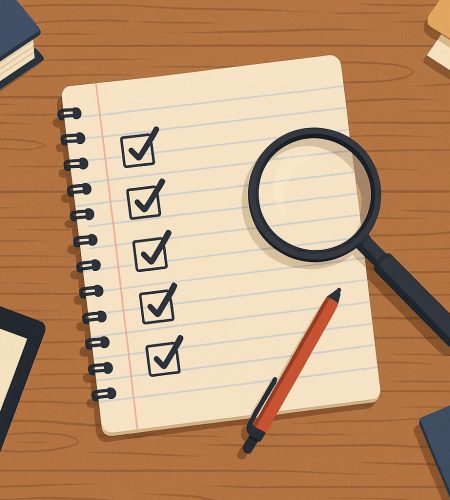
Submitting a document is often the final step in a much longer process of planning, writing, and editing. Whether you’re turning in a university assignment, sharing a research paper, sending a business proposal, or emailing an important report, taking a few extra minutes to review your work can make a meaningful difference. Before you click “Submit” or “Send,” using a grammar checker can help identify language issues that are easy to overlook during self-review.
Many writers read through their document once and assume it is ready. Unfortunately, familiarity with your own writing makes it difficult to notice small mistakes. Reading the same content repeatedly causes the brain to focus on the intended message instead of what is actually written. Reviewing your work with an online grammar checker alongside manual proofreading provides another layer of quality control before your document reaches its audience.
Start With the Purpose
Before looking for grammar or spelling mistakes, ask a simple question.
Does the document achieve its purpose?
An assignment should answer the question clearly. A research paper should present ideas in a logical sequence. A business proposal should communicate value. An email should leave no room for confusion.
If the main objective is unclear, correcting grammar alone will not improve the document.
Check for Clarity
Readers should understand your message without having to reread paragraphs.
Look for sentences that are unnecessarily long or contain multiple ideas at once. Breaking them into shorter sentences often improves readability.
Replace vague language with specific wording where appropriate, and remove unnecessary repetition that slows the reader down.
Review Grammar and Sentence Structure
Grammar mistakes can distract readers from the content itself.
Subject-verb agreement, punctuation, verb tense, missing articles, and inconsistent sentence structure are among the most common issues that appear even in carefully prepared documents.
Small errors may seem insignificant on their own, but together they can affect how professional and reliable a document appears.
Look for Consistency
Consistency improves the reading experience.
Check whether headings follow the same format, terminology remains consistent throughout the document, and capitalization is used correctly.
If abbreviations are introduced, make sure they are explained the first time they appear.
For academic writing, ensure that technical terms are used consistently from beginning to end.
Verify Facts and References
A well-written document should also be accurate.
Review names, dates, statistics, references, quotations, and citations carefully.
Students should verify citation styles before submission, while professionals should confirm that reports include current information and accurate data.
Even a small factual error can reduce credibility.
Read From the Reader’s Perspective
One effective editing technique is to imagine reading the document for the first time.
Would every sentence make sense to someone unfamiliar with the topic?
Would instructions be easy to follow?
Would the structure guide readers naturally from one section to the next?
Changing your perspective often reveals areas that need improvement.
Don’t Skip Formatting
Presentation influences first impressions.
Review headings, spacing, fonts, page numbering, tables, figures, and bullet lists to ensure the document looks organized and professional.
Good formatting makes information easier to scan and understand.
Take a Short Break Before the Final Review
If time allows, step away from the document for a while before reviewing it again.
Even a short break helps you return with fresh attention, making it easier to notice awkward wording, repeated phrases, or missing punctuation.
Many experienced writers rely on this simple habit because it consistently improves the quality of their final draft.
Final Thoughts
The final review is much more than a quick spelling check. It is an opportunity to improve clarity, strengthen grammar, verify information, and ensure that the document communicates exactly what you intended.
Whether you’re submitting an assignment, preparing a research paper, sending a proposal, or sharing an important report, a careful review can prevent avoidable mistakes and leave a stronger impression on your readers.