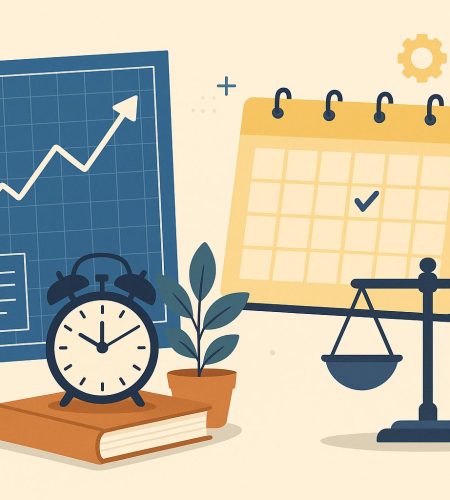
Productivity used to be measured in hours worked, emails answered, and meetings attended. Today, the definition is evolving. In a world shaped by hybrid schedules, digital tools, and shifting personal priorities, productivity is less about constant motion and more about meaningful output.
Across industries and lifestyles, people are redesigning how they structure their days. The focus is no longer on being busy—it’s on being effective, healthy, and sustainable over the long term.
Rethinking the 24-Hour Day
Modern routines look very different from those of a decade ago. Commutes have shortened for many, while flexible hours have become increasingly common. This flexibility offers opportunity—but also requires discipline.
Without rigid office hours, individuals are learning to design their own structure. Some adopt time-blocking methods, dividing the day into focused segments. Others embrace “deep work” sessions, eliminating distractions for short, high-impact intervals.
The key lesson emerging from these experiments is simple: productivity thrives on clarity. When priorities are defined, tasks feel purposeful. When they’re not, even long hours can feel unproductive.
Environment Shapes Performance
It’s easy to underestimate how much surroundings influence focus and energy. Lighting, noise levels, air quality, and layout all contribute to how well we function throughout the day.
As remote work continues to normalize, more attention is being paid to creating intentional environments. A dedicated workspace—even in a compact home—can significantly improve mental boundaries between professional and personal life.
Interestingly, this awareness extends beyond home offices. People increasingly evaluate neighborhoods and living environments based on how they support daily routines. When researching different districts or developments, curiosity often revolves around access to parks, walking paths, and shared amenities. For example, interest in projects like Tengah Garden Residences frequently reflects broader conversations about integrated green spaces and community-centered design rather than just interiors.
The environment, after all, sets the tone for everything from morning motivation to evening relaxation.
The Link Between Wellness and Output
Burnout has become one of the defining workplace challenges of the modern era. As a result, wellness is no longer considered separate from productivity—it is foundational to it.
Short breaks, regular exercise, and sleep hygiene are now widely recognized as performance strategies rather than indulgences. Even simple habits, such as stepping outside for fresh air between tasks, can improve concentration and mood.
Mental well-being is equally critical. Practices like journaling, meditation, and digital detox hours are becoming common tools for maintaining clarity. Organizations, too, are beginning to recognize that employees perform better when their well-being is supported.
The shift is clear: sustainable productivity requires sustainable habits.
Financial Organization Reduces Mental Clutter
Another often-overlooked aspect of balanced living is financial organization. Disorganized finances can create background stress that affects concentration and decision-making.
Budget planning, automated savings, and clear goal-setting contribute not just to long-term stability but also to everyday peace of mind. When individuals feel confident about their financial footing, they can focus more fully on professional and personal growth.
This doesn’t require complex strategies. Often, it starts with small steps—tracking expenses, setting monthly targets, and reviewing progress consistently. Financial clarity, like time management, creates mental space.
Community as a Productivity Multiplier
While independence is valuable, human connection remains essential. A supportive community—whether composed of colleagues, neighbors, or friends—can significantly influence motivation and resilience.
Shared workspaces, networking events, and local gatherings provide opportunities for collaboration and idea exchange. Casual conversations often spark innovation in unexpected ways.
Physical surroundings also play a role in facilitating connection. Areas that combine residential, recreational, and social elements encourage organic interaction. When exploring neighborhoods, some individuals consider how communal spaces, waterfront areas, or nearby cafés might enhance daily life. Developments such as Lakeside Drive Condo are often discussed in the context of accessibility and lifestyle convenience rather than purely structural features.
In many ways, productivity flourishes where connection is easy and natural.
Technology: Tool or Distraction?
Digital tools have revolutionized efficiency. Project management platforms, cloud storage, and instant messaging systems make collaboration seamless across distances.
Yet technology also introduces new challenges. Constant notifications can fragment attention, while endless scrolling can consume valuable downtime.
To maintain balance, many professionals are setting digital boundaries—muting nonessential alerts, scheduling email check-ins, and designating screen-free hours. The goal is intentional use: allowing technology to enhance productivity without overwhelming it.
This mindful approach reflects a broader cultural shift toward moderation.
Designing for Long-Term Sustainability
The conversation around productivity increasingly centers on longevity. Quick bursts of intense effort may yield short-term gains, but they rarely support lasting success.
Instead, individuals are designing routines that can endure. This might include realistic daily task lists, built-in rest periods, and weekly reviews to adjust priorities. Flexibility is key; plans must evolve as circumstances change.
Importantly, balanced living does not mean lowering ambition. It means aligning ambition with capacity. By respecting physical and mental limits, people often achieve more over time—not less.
A More Human Definition of Success
The most significant change in modern productivity culture may be philosophical. Success is no longer measured solely by external achievements. It also encompasses well-being, relationships, and personal fulfillment.
A productive day might now include completing a major project, taking a midday walk, cooking a healthy meal, and spending uninterrupted time with family. This integrated perspective recognizes that professional output and personal satisfaction are interconnected.
As society continues to adapt to new work models and evolving priorities, one principle stands out: sustainable progress depends on balance.
In the end, the future of productivity isn’t about squeezing more into each hour. It’s about designing days that are purposeful, environments that are supportive, and routines that are resilient. When these elements align, both achievement and well-being become not competing goals—but complementary ones.