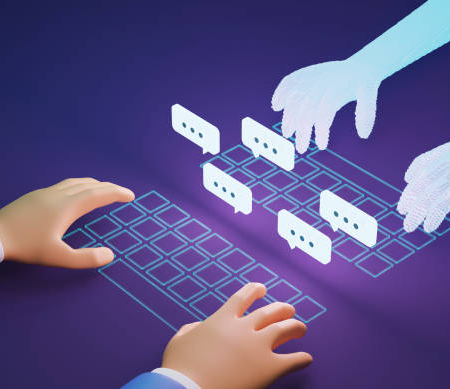
Have you ever thought about how people stayed connected before instant messaging became part of daily life?
Today, sending a message takes only a few seconds, and conversations can happen across cities or continents without any delay. Digital message platforms have changed the way people communicate with family, friends, and colleagues. These platforms have grown from simple text-based tools to lively spaces where people share photos, voice notes, stickers, and short videos.
Over time, digital messaging has shaped communication habits, social culture, and even the way communities interact. The growth of these platforms shows how technology can bring people closer, making everyday conversations feel natural and lively.
In daily life, many people use messaging platforms for casual chats, family updates, group discussions, and work coordination. This simple method of communication has become part of routine life and continues to influence how people connect and share ideas.
Early Stages Of Digital Messaging
Digital messaging did not start with colorful chat screens or voice messages. In the early days of the internet, communication mainly happened through simple text messages on computers. These early systems allowed users to send short lines of text to each other through connected networks. Although the tools looked basic, they created a new way for people to talk instantly.
As internet access improved, messaging systems started adding small improvements such as chat rooms and private conversations. These features allowed people to interact in groups or have personal discussions with friends and colleagues at unutama.com/category/mesajlari.
Text-Based Messaging Systems
The first phase of digital messaging mainly focused on text communication. People typed messages on computers and sent them through internet-based chat systems. These systems helped students, office workers, and friends communicate quickly without needing phone calls.
Even with simple designs, these platforms introduced a fresh style of communication. Users could send short replies, greetings, and updates with just a few keystrokes. This format made communication quick and direct.
Chat Rooms And Community Interaction
Chat rooms became popular as internet use increased. They allowed many users to gather in one space and talk about shared interests. People joined discussions about hobbies, studies, music, or daily life.
Chat rooms also encouraged social interaction among people who lived in different places. These spaces helped build friendly communities where users could share ideas and learn from each other.
Early Messaging Features
During the early years, messaging systems included several helpful features that made conversations easier. Some of these features included:
• Instant text messages between users
• Group chat rooms for community discussions
• Simple user profiles with names and interests
• Basic status messages that showed availability
These small additions improved communication and made digital messaging more interactive.
The Growth Of Modern Messaging Platforms
As technology improved, the messaging kingbet89 platform began offering more features that made communication lively and expressive. Instead of only text, users could now share images, audio messages, and short videos. This shift created a more colorful communication style that reflected everyday conversations.
Modern messaging platforms also support group chats where families, friends, and work teams can stay connected in one place. This development helped people organize discussions, share updates, and celebrate special moments together.
Multimedia Messaging
One of the biggest improvements in messaging platforms is multimedia communication. Users can now send pictures, voice recordings, animated stickers, and videos during conversations. These elements make chats feel more expressive and lively.
For example, a voice message can convey tone and emotion more clearly than plain text. A photo can capture a moment instantly and share it with loved ones. These additions have made digital conversations feel closer to real-life interaction.
Group Conversations
Group chats have become a common feature in modern messaging platforms. They allow several people to communicate in one conversation. Families often use group chats to stay updated on daily plans, celebrations, and small moments from their lives.
Work teams also benefit from group chats because they help coordinate tasks and share information quickly. This form of communication keeps everyone informed and connected.
Stickers And Emojis
Stickers and emojis have added a playful element to digital messaging. Instead of typing long sentences, users can express emotions with small icons and illustrations. These visual elements help convey happiness, excitement, appreciation, and many other feelings.
Many people enjoy using emojis because they make conversations feel friendly and warm.
Cultural Influence Of Digital Messaging
Digital messaging platforms have shaped communication culture in many ways. They have influenced how people share thoughts, maintain friendships, and participate in group discussions.
Today, messaging is not limited to personal communication. It also supports education, teamwork, and community activities.
Everyday Communication Habits
Messaging platforms have become part of daily routines. Many people begin their day by checking messages from friends or family. Quick greetings, reminders, and updates help people stay connected even during busy schedules.
The habit of short and quick replies has also created a relaxed communication style. People often use casual language that feels natural and friendly.
Strengthening Relationships
Digital messaging helps maintain relationships across distance. Friends living in different cities can still share daily experiences and stay connected through messages, photos, and voice notes.
Families also benefit from messaging because it keeps relatives connected even when they live far apart. Celebrations, greetings, and everyday updates can be shared instantly.
Cultural Sharing Through Messages
Messaging platforms allow people to share cultural traditions, festivals, and celebrations. Photos, greetings, and festive messages often travel across communities through digital chats.
This sharing helps people appreciate different customs and experiences. Cultural exchange through messaging has become a friendly way for communities to stay connected.
Key Features Of Digital Messaging Platforms
Modern messaging platforms include several features that support communication and social interaction. These features make conversations easier and more expressive.
Communication Features
Common communication features found in many messaging platforms include:
• Instant text messaging
• Voice messages
• Photo and video sharing
• Animated emojis and stickers
• Group chat discussions
These tools help people express themselves in different ways during conversations.
User-Friendly Design
Messaging platforms usually include simple layouts that allow users to navigate chats easily. Clear message threads, notification alerts, and search tools help users manage conversations smoothly.
Privacy And Personal Spaces
Modern platforms often provide settings that allow users to control how they interact with others. Personal chat spaces, group discussions, and customizable profiles help create comfortable communication environments.
A Look At Messaging Evolution
The following table shows how messaging platforms have progressed over time in terms of communication features.
| Stage Of Messaging | Communication Style | Common Features |
|---|---|---|
| Early Internet Messaging | Text-based chats | Basic chat windows and simple user profiles |
| Chat Room Era | Group discussions | Public chat rooms and private messaging |
| Mobile Messaging Phase | Instant mobile communication | Multimedia messages, emojis, and voice notes |
| Modern Messaging Platforms | Interactive communication | Group chats, video sharing, and creative stickers |
How Messaging Platforms Shape Modern Society
Digital messaging platforms have become a strong part of modern communication culture. They support conversations between individuals, groups, and communities across different locations.
Social Connection
Messaging tools help people stay in touch with loved ones even when distance separates them. Short messages and shared moments keep relationships warm and active.
Communication In Education
Students and teachers often use messaging platforms to exchange notes, reminders, and learning materials. Quick communication helps classrooms stay connected even outside school hours.
Workplace Collaboration
Teams use messaging platforms to share ideas, coordinate projects, and celebrate achievements. Fast communication helps create a cooperative environment where everyone can contribute easily.
The Future Of Digital Messaging
Digital messaging platforms continue to grow with new ideas and features. Communication tools are becoming more interactive and expressive, allowing people to share experiences in creative ways.
As technology improves, messaging will likely include richer media formats, improved accessibility, and more personalized communication spaces. These developments will continue to support social connection and cultural sharing among communities around the globe.
Digital messaging has already transformed everyday communication by making conversations faster, more expressive, and more interactive. From simple text chats to multimedia conversations, these platforms have shaped modern communication habits and strengthened connections between people in meaningful ways.