
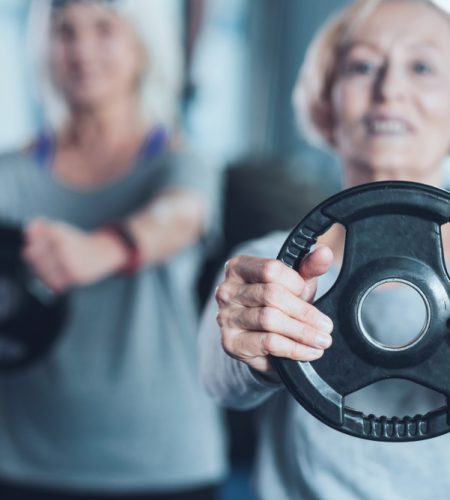
Having formerly served as president of Northeastern Illinois University, Gloria Gibson enjoys a range of hobbies and activities, including travel, reading, yoga, and strength training. This article will take a closer look at strength training and its capacity to help seniors maintain their fitness, balance, flexibility, and mobility.
As a person ages, various structural, biochemical, and physiological changes occur. Although some of these changes are inevitable, maintaining a healthy lifestyle that includes regular exercise can have a significant impact on their speed and extent.
The health benefits of exercise are widely reported. However, less well known are the benefits of strength training, particularly for older adults. Also known as resistance training, strength training can improve health in a variety of different ways, so much so that health practitioners are increasingly recommending it to senior patients.
As the human body ages, it loses bone density as well as muscle mass and strength. Blood vessels and heart vessels thicken, making it harder to pump blood around the body and deliver life-giving oxygen and glucose to cells. In addition, kidney function declines, impairing the body’s ability to keep chemical and electrolytes at optimum levels in the bloodstream. The ability to metabolize glucose effectively is also reduced, leading the body to carry more fat. There is also a decline in brain mass, and connections between brain cells start to diminish.
All these changes can culminate in significant consequences in terms of health and well-being. While some are an inevitable part of the ageing process, genetic and environmental factors play a role in others. Changes in bone and muscle density cause elderly people to slow down. They may also suffer aches and pains, making it more difficult to perform daily activities such as walking and household tasks. According to Keeping Strong, studies suggest that strength loss can occur as quickly as 15% per decade after an individual reaches 50, although the precise rate of decline will depend on a variety of different factors, including genetics and the presence of other conditions and diseases.
Research shows that participating in strength training two or three times a week helps older adults to not only improve their physical strength and stamina but also their functional abilities and quality of life by increasing muscle mass and bone density. Exercise also lowers the risk of a variety of age-related diseases – including everything from arthritis and osteoporosis to diabetes and heart disease – and can help seniors to improve their sleep quality, as well as decreasing levels of depression and anxiety.
Health experts recommend that older adults participate in two strength training sessions per week along with 150 minutes of moderate intensity aerobic activity. For those who are new to strength training, it is prudent to seek medical advice prior to embarking on a new exercise regime, beginning slowly and building up gradually.
One easy strength training exercise that can be completed at home is heel raises. This involves standing up straight with the feet slightly apart and toes facing forward, with equal weight on both feet. Holding onto a firm surface like a table or kitchen worktop for support, the individual slowly lifts their heels off the floor, shifting their weight forward onto their toes, keeping their knees and back straight throughout. They then lower their heels back down to the floor, repeating the exercise 8 to 15 times.
Building muscle helps older adults to age better, improving balance, physical function, and overall health and well-being, and equipping them to lead more active, independent lives. In addition to increased bone and joint health, strength training has also been shown to improve metabolism and enhance insulin sensitivity, warding off obesity and diabetes. It also leads to improved energy levels, with regular exercise stimulating the release of endorphins, boosting energy and quality of life.