
Key Takeaways
Testosterone replacement therapy has the potential to elevate energy levels while promoting mood stability, thereby significantly augmenting patients’ quality of life. It’s not uncommon for individuals to report feeling revitalized, more driven to engage in daily tasks following treatment.
This therapy also aids in muscle growth and strength, contributing to efficient muscle protein synthesis, an essential aspect for patients hoping to build and maintain muscle as they grow older. An increase in muscle mass tends to improve metabolism and decrease the risk of injury over time.
Patients often notice an encompassing enhancement in their overall health and well-being, exhibiting better heart health, improved bone density, and heightened mental clarity. Maintaining optimal testosterone levels has been associated with a decreased risk of chronic diseases.
The first consultation is vital for customizing testosterone replacement therapy to meet individual needs. It entails an in-depth evaluation of medical history, lifestyle factors, and specific symptoms, ultimately fostering a collaborative bond between patient and provider.
It’s crucial to expect gradual changes during treatment; energy and mood enhancements might surface within weeks, while noticeable muscle gains could take anywhere from 6 to 12 weeks. Grasping these timelines can effectively assist patients in managing their expectations.
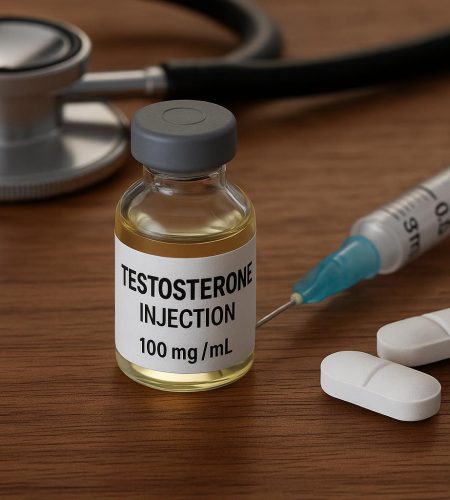
Various methods for administering testosterone replacement therapy include injections, topical gels, and patches, each presenting unique advantages. The selection of the right method should factor in personal lifestyles and preferences to achieve the best outcomes.
Long-lasting success in testosterone replacement therapy relies heavily on regular check-ups and hormone level assessments to observe progress and adjust dosages as needed. Moreover, incorporating healthy lifestyle changes can substantially boost the therapy’s effectiveness.
What Are the Key Benefits of Testosterone Replacement Therapy?
Boosting Energy Levels and Mood Stability
Many patients find that testosterone replacement therapy profoundly impacts their energy levels. Fatigue tends to accompany low testosterone levels. Studies indicate that patients often enjoy a surge in vitality, with numerous individuals feeling reenergized and more enthusiastic about daily activities. Mood stability typically sees improvement as well, helping to alleviate irritability and depressive feelings.
Some individuals even challenge the conventional notion that aging must bring fatigue. Increased testosterone often translates not just to a boost in physical energy but also an enhancement in overall life quality. Experts suggest that such transformations frequently lead to strengthened relationships and heightened productivity.
Enhancing Muscle Mass and Strength
Another well-documented advantage of testosterone replacement therapy is its potential to bolster muscle mass and overall strength. Testosterone’s critical role in muscle protein synthesis means that after treatment, patients frequently report easier muscle-building and improved maintenance as they age.
Aesthetics aside, the benefits of stronger muscles extend to improved metabolism and lowered injury risk. It’s a simple equation: greater muscle mass correlates with enhanced performance in daily tasks. This aspect is crucial for older adults who aim to maintain autonomy.
Promoting Overall Health and Well-Being
Testosterone replacement therapy’s benefits don’t stop at physical improvements. Patients often mention a boost in overall health and well-being. Heart health, bone density, and even cognitive clarity can improve when testosterone levels are optimized. Various studies have drawn connections between testosterone therapy and a lower incidence of chronic diseases, underscoring its importance.
Many clients not only feel more energetic but also report sharper focus. The interactive dynamics of physical, emotional, and cognitive shifts are truly notable. This holistic improvement cultivates a renewed sense of purpose, illustrating the frequently underestimated psychological benefits tied to elevated testosterone levels.
Preparing for Your Testosterone Replacement Therapy Journey
Understanding the Initial Consultation Process
The journey into testosterone replacement therapy begins with a comprehensive initial consultation. This meeting is more than just a box to check—it’s a pivotal moment for both the patient and doctor to align their goals and expectations. A detailed review of medical history and current symptoms positions professionals to tailor the treatment effectively.
An effective approach usually entails asking specific questions about lifestyle, physical symptoms, and emotional health. This stage lays the groundwork for a collaborative alliance between healthcare providers and patients, ensuring clear communication from the outset.
Evaluating Your Health and Hormone Levels
Health evaluations during the consultation are essential. Blood tests to analyze hormone levels, including testosterone and estrogen among others, are standard procedures. This information reveals patients’ distinct hormonal profiles.
- What insights do the blood results provide?
- Are there any additional underlying health concerns?
- How do lifestyle elements influence hormonal balances?
These assessments serve as a foundation for creating evidence-based treatment plans. This key phase should be approached with care. Attuning to one’s hormonal balance is critical for ensuring a satisfactory therapy experience, enabling healthcare professionals to adjust dosages and methodologies as necessary.
Setting Realistic Goals and Expectations
In the preparatory phase of therapy, it’s vital to outline clear objectives. What does success signify? While some patients might look for increased energy, others may prioritize muscle growth or mood stabilization. Aligning these expectations is crucial.
- Discuss what short-term and long-term expectations entail.
- Recognize potential side effects and strategies for their management.
- Assess the timeline for noticeable improvements.
Establishing these goals allows patients to create a strategic roadmap that channels direction and purpose as they navigate therapy. This ensures both the provider and patient share a mutual understanding of their aims throughout treatment.
Working through the Treatment Process: What to Anticipate
Timelines for Treatment and Initial Results
Timing plays a pivotal role in testosterone replacement therapy. While patients often look forward to results eagerly, appreciating that it’s a gradual process can aid in managing expectations. Some individuals may notice energy and mood enhancements within the initial weeks.
- Increased clarity could appear as early as 3-4 weeks.
- Muscle gains may become apparent between 6-12 weeks.
- Mood stabilization generally progresses steadily but can take several weeks.
Understanding these timelines can foster motivation. With patience, clients will likely observe a cumulative effect influencing many areas of their lives.
Managing Dosages and Administration Methods
Testosterone replacement therapy features several methods for administration. This includes injections, topical gels, and patches. Each has its unique benefits and important considerations. Familiarity with these options allows for informed choices that suit lifestyle and preferences.
- Injections: Allow for quick absorption but necessitate regular visits or self-administration.
- Topical gels: Convenient, promoting steady hormone levels—but proper application is critical to prevent transfer issues.
- Patches: Provide consistent dosages, reducing the frequency of applications needed.
Selecting the most suitable administration method isn’t solely a matter of preference; it also involves optimizing hormone levels relative to individual lifestyles and comfort. Regular consultations with healthcare providers are essential for maintaining the therapy’s effectiveness and convenience.
Monitoring Progress and Adjustments Over Time
No treatment regimen should remain static. Ongoing monitoring is essential. Routine follow-ups enable healthcare professionals to evaluate hormone levels through blood tests, ensuring that dosages continue to be effective or require necessary adjustments.
What proves successful initially might need recalibration later on. Evaluating personal responses helps guide these adjustments. The aim is straightforward: a patient should feel supported and empowered throughout the therapy.
What Should Patients Know About Long-Term Care and Support?
Regular Check-Ups and Hormone Level Assessments
Long-term support is vital for achieving success in testosterone replacement therapy. While the excitement of initial improvements can be thrilling, it’s crucial to prioritize regular follow-ups. These appointments play a key role in continually assessing hormone levels, symptoms, and overall health.
Experts advocate for a proactive approach to enhance treatment outcomes and sustainability over time. Many clients find that consistent monitoring helps identify potential issues early, ensuring a clear and effective treatment journey.
Integrating Lifestyle Changes for Optimal Results
Often, the therapy proves to be most effective when paired with healthy lifestyle modifications. Factors such as nutrition, exercise, and sleep significantly impact the benefits of hormone therapy.
- Aim for a balanced diet rich in vital nutrients.
- Regular exercise is important, emphasizing both strength and cardiovascular fitness.
- Quality sleep is essential for sustaining hormonal harmony.
These lifestyle integrations promote an enhanced overall sense of well-being that goes well beyond the therapy’s direct effects. The emphasis is on cultivating an environment conducive to long-term growth.
Accessing Resources and Support Communities
Long-term treatment can feel less daunting when supported by the right resources and communities. Connecting with fellow patients may yield invaluable insights regarding shared challenges. Both online and local support groups can make a substantial difference in the journey.
“Having a network of support means never having to work through this journey alone.”
Local organizations frequently organize meetings, webinars, and forums to share personal narratives, challenges, and successes. Establishing these connections cultivates a sense of community and understanding, laying a solid foundation for effective therapy.
Ultimately, clients pursuing testosterone replacement therapy are motivated not only by the immediate results but also by the far-reaching benefits capable of enriching their lives. The journey itself, detailed and intricate, requires both patience and proactive involvement to yield significant results.
FAQ
What role does diet play in the success of testosterone therapy?
A balanced diet is fundamental during testosterone replacement therapy. Consuming nutrient-rich foods aids in hormone production and contributes to overall health. Patients often notice enhanced results when their diet includes healthy fats, proteins, and a diverse range of vegetables.
Can exercise influence the effectiveness of testosterone therapy?
Absolutely. Maintaining a regular exercise routine complements testosterone therapy remarkably well. Participating in both strength training and cardiovascular workouts can enhance benefits, improving muscle mass and overall energy levels.
What should patients do if they experience side effects?
Active communication is essential. If patients notice any side effects, reaching out to their healthcare provider promptly is crucial. Often, dosage or administration adjustments can alleviate discomfort and ensure the treatment remains effective.
How often should patients have follow-up appointments?
In general, follow-ups are advised every 3 to 6 months, though this can vary. By keeping consistent check-ins, healthcare providers can monitor hormone levels and adjust treatment as necessary to achieve optimal results.
Are there specific lifestyle habits that enhance therapy results?
Indeed, integrating positive lifestyle habits is essential. Factors such as stress reduction, proper hydration, and consistent quality sleep can greatly influence the effectiveness of testosterone replacement therapy.
Is testosterone therapy suitable for older adults?
Many older adults report finding testosterone replacement therapy beneficial. It can counteract declines associated with aging in energy levels, muscle mass, and overall health, ultimately supporting increased vitality into later years.
What is the expected duration of testosterone therapy?
The duration of therapy varies based on individual health objectives and responses. Some patients might engage in long-term therapy, while others may only require it temporarily to reach desired outcomes. Ongoing evaluations with healthcare providers will guide the appropriate timeline.
How does one find the right healthcare provider for testosterone therapy?
Selecting a qualified provider is critical. Professionals specializing in hormonal health are the best fit. Recommendations and patient testimonials can aid in making informed choices, ensuring a supportive and knowledgeable partnership throughout the treatment process.
Useful Resources
- Mayo Clinic– Comprehensive medical information and resources on hormone therapies, including testosterone replacement.
- National Center for Biotechnology Information (NCBI)– A wealth of studies and articles detailing testosterone and its health effects.
- The Endocrine Society– A professional organization providing guidelines and educational content related to hormone therapies.
- The Hormone Health Network– Resources aimed at patients regarding hormone therapy and health management.
- Healthline– Articles addressing various health topics, including testosterone therapy and lifestyle recommendations.
- WebMD– Educational articles exploring hormone replacement therapy with insights into its benefits and concerns.
- Verywell Health– Trusted health information covering numerous aspects of testosterone therapy, fitness, and wellness.
- National Heart, Lung, and Blood Institute (NHLBI)– Resources dedicated to promoting heart health, frequently relevant in discussions of testosterone therapy.