
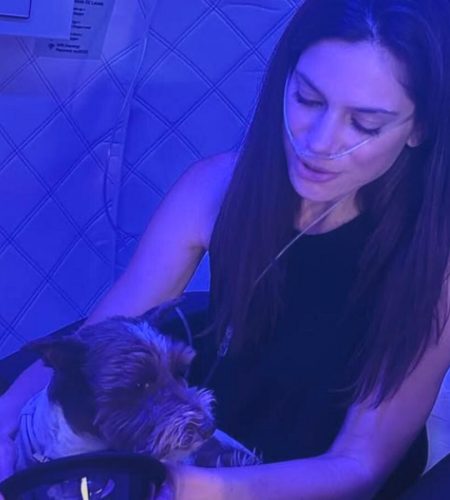
Choosing a Beverly Hills hyperbaric chamber can be attractive for one practical reason: it adds a substantial wellness session to the day without asking you to exercise, disconnect, or sit through an uncomfortable procedure. You settle into a spacious chamber, breathe oxygen through a light nasal cannula, and choose how to use the time—watch television, scroll on your phone, work, meditate, or wear a red-light therapy mask. People explore HBOT within routines focused on energy, recovery, clear thinking, skin vitality, performance, and longevity. Its strongest everyday advantage is how easy it can be to enjoy and repeat.
Instead of choosing between self-care and a full schedule, you can make the session serve both. An executive can clear email, an athlete can watch training footage, someone focused on beauty can stack red light with HBOT, and anyone can simply switch off. That flexibility turns chamber time from another obligation into protected time with options.
Why does a chamber session fit so easily into a busy day?
HBOT is passive. Once the chamber reaches the selected pressure, there is no movement to perform, equipment to operate, or routine to memorize. The guest simply breathes through the cannula and uses the session in whatever way feels valuable that day.
The technical setup is simple: filtered air pressurizes the chamber, while an oxygen concentrator outside sends oxygen through a dedicated line to the nasal cannula. The surrounding space remains an air environment, and the open-face cannula leaves the guest free to use normal electronics.
That freedom is a meaningful advantage over wellness experiences that dictate what you must do. A workout requires effort, a massage requires stillness, and many heat-based services limit device use. Chamber time can be productive, entertaining, social, or quiet without changing the central experience.
The combination of increased ambient pressure and concentrated oxygen breathing also distinguishes HBOT from an oxygen bar or ordinary relaxation. Results and personal responses vary, but the session itself offers a focused oxygen experience alongside genuine downtime.
That combination should guide how you compare a Beverly Hills hyperbaric facility. Look for a spacious setting, comfortable seating, clear session choices, entertainment, device-friendly policies, and a team that makes the first visit feel effortless rather than overly technical.
Five advantages that make HBOT easier to keep in your routine
The most useful benefits are often practical. They remove friction, increase the value of the appointment, and make consistency feel realistic:
- Purposeful recovery time. The chamber creates a defined pause after training, travel, or a demanding week without requiring more physical effort.
- Productivity without sacrifice. Emails, reading, planning, and focused laptop work can continue while the session runs.
- Entertainment on your terms. Television, streaming, music, social media, and messaging make longer sessions feel easy.
- Efficient wellness stacking. A wearable red-light therapy mask can combine beauty and longevity rituals within the same appointment.
- A mental reset when you want one. Put the screens aside, close your eyes, and enjoy quiet time by choice rather than by restriction.
What should feel simple on the first visit?
A desirable experience should require very little mental effort. Before the door closes, the team should explain the cannula, entertainment, communication, timing, and what the ears may feel as pressure changes.
Once the selected pressure is reached, the transition is over and the guest can return attention to a screen, red-light mask, conversation, or rest. Two-way communication with the team throughout every stage of the session matters because it preserves control without interrupting the experience.
Understanding pressure changes during an HBOT session removes much of the uncertainty. The brief pressurization and depressurization stages may make the ears feel full, similar to an airplane ascent or descent. Swallowing, yawning, or following the team’s equalization guidance can help.
When is HBOT worth making room for?
HBOT is worth considering when you want a passive, oxygen-focused wellness experience that can coexist with work, entertainment, beauty practices, or uninterrupted rest. It is less compelling if you expect guaranteed changes from one visit, dislike ear equalization, or cannot commit to the schedule proposed for your goals.
Before booking, ask which devices are welcome, whether television and red-light options are available, how communication works, how long sessions last, and who reviews personal suitability. Because screening and protocols matter, discuss your history with an appropriately licensed clinician before treating HBOT as part of a recurring plan.
The best chamber advantage is not complexity; it is freedom. You can pursue an oxygen-focused wellness routine without surrendering the rest of your day, then choose whether each session becomes recovery time, productive time, beauty time, or quiet time.
Frequently asked questions
Is the chamber itself filled with oxygen?
No. Filtered air pressurizes the chamber. An oxygen concentrator remains outside and sends oxygen through a dedicated line to the nasal cannula. This design leaves the surrounding cabin as an air environment while the guest breathes concentrated oxygen directly through the cannula.
Can I use my phone or watch television inside?
Yes, in this type of chamber. Guests can use a phone, tablet, laptop, or the chamber’s television while breathing through the nasal cannula. Confirm the specific facility’s device policy before arriving so you know what to bring and can plan the session around work, entertainment, or rest.
Why do people include HBOT in a wellness routine?
People explore it alongside goals involving energy, recovery, performance, mental clarity, skin vitality, and longevity. The immediate practical appeal is a passive session that can also provide focused downtime. Personal responses vary, so avoid treating any single wellness outcome as guaranteed.
What do the pressure changes feel like?
The ears may feel full or pop briefly during pressurization and depressurization, much like an airplane ascent or descent. Swallowing, yawning, or using an equalization technique explained by the team can help. Communication should remain available if you want the pressure change slowed or need guidance.