
Key Takeaways
In the realm of modern healthcare, plasma donation holds significant importance, offering crucial proteins needed to treat various conditions such as hemophilia and immune deficiencies.
Medical facilities rely extensively on plasma-derived products, essential for managing illnesses; a continuous influx of donations is critical to avoid adverse health effects for patients.
The reality of plasma donations can change lives, improving the circumstances for individuals who require regular infusions, particularly those receiving immunoglobulin therapy.
This entire process is tailored for donor comfort and includes registration, health screenings, and the donation itself, which usually takes between 45 minutes and an hour.
Financial compensation, as well as rewards, is frequently offered to donors, acknowledging their time and promoting consistent contributions to the community.
When plasma donations increase, it leads to healthier communities by improving access to treatments for at-risk populations and fostering a sense of altruism and awareness regarding health matters.
Despite some myths surrounding the safety and experience of plasma donation, robust health protocols and well-trained staff ensure a secure environment for donors.
The Life-Saving Impact of Plasma Donation
Plasma’s Role in Modern Medicine
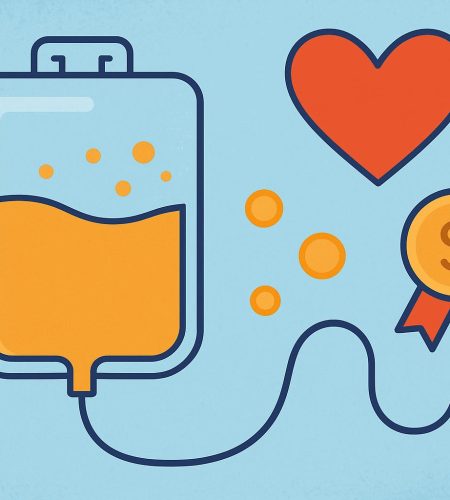
Plasma donation acts as a vital support system in today’s healthcare, offering a multifaceted substance integral to a variety of therapies. As the yellowish fluid component of blood, plasma contains essential proteins that are crucial for blood clotting and immune responses. These proteins aid in treating a range of health conditions, including hemophilia and immune deficiencies.
The American Red Cross states that plasma accounts for roughly 55% of total blood volume, filled with crucial proteins, antibodies, and electrolytes. Hospitals and clinics depend heavily on products derived from plasma, like immunoglobulins and clotting factors, to effectively manage diseases. A constant supply from donors is necessary, or many patients could encounter severe health risks.
The impact of plasma donation extends far beyond immediate medical needs; it plays a significant role in developing innovative therapies, broadening treatment options, and pushing the envelope of what can be achieved in modern medicine.
Real Stories: How Plasma Donations Change Lives
There are numerous inspiring stories highlighting the transformative power of plasma donations. Consider Alex, a young boy with a rare genetic ailment who requires ongoing immunoglobulin therapy. His mother affirms, “If it weren’t for the generous plasma donations, Alex’s quality of life would be drastically different. It’s everything for him.”
Then, there’s the critical relationship between plasma donation and burn survivors. Experts indicate that these patients often need significant amounts of plasma to recover from severe injuries. Treatments and surgeries tied to burns frequently utilize plasma products. In times of heightened demand, plasma donations could genuinely mean the difference between life and death for many. Such narratives serve as a poignant reminder of the profound impact of donors.
“Each donation counts. Every drop matters.”
Unpacking the Donation Process
What to Expect During Your First Donation
Stepping into a plasma donation center for the first time might be a bit daunting. However, the process prioritizes donor comfort. As professionals often explain, it all starts with a registration phase where individuals complete health-related questions to verify eligibility.
Following registration, a healthcare professional assists donors through a screening process. This typically involves checking vital signs, blood pressure, and assessing hemoglobin levels. After that, donors can settle into a reclined chair for a more comfortable donation experience.
Most donors find that the donation feels quicker than anticipated. Generally, it lasts around 45 minutes to an hour. During this period, a sterile needle is placed into a vein, allowing blood to flow into a machine designed to separate plasma from red blood cells. Snacks and hydration are readily available to enhance comfort during the procedure.
It’s perfectly natural for first-time donors to experience some anxiety; however, trained staff members are always ready to provide reassurance and answer questions to ease any concerns.
Step-by-Step: From Registration to Rewards
- Registration: Complete necessary forms and answer preliminary health questions.
- Health Screening: Undergo important health checks, including blood pressure and hemoglobin levels.
- Donation: Relax comfortably in a chair while plasma is collected, typically taking between 45 minutes and an hour.
- Recovery: Enjoy post-donation snacks and beverages to help restore energy.
- Rewards: Receive compensation for the time spent, which varies depending on location and donation frequency.
Each of these steps is structured to prioritize safety and comfort, ensuring that donors leave feeling valued and fulfilled.
Benefits Beyond the Donation
How Donors Are Compensated for Their Time
- Most donation centers opt for cash payments.
- Donors may also receive gift cards or vouchers for local businesses.
- Referral programs are in place at many facilities, rewarding current donors for introducing new contributors.
This compensation serves not just as financial motivation but also as a recognition of the donor’s invaluable time and effort. For many donors, this aspect fosters a sense of community involvement, making plasma donation a very appealing choice. However, the impact of individual contributions runs far deeper than financial rewards.
The Broader Community Impact of Plasma Contributions
In communities where plasma donation is common, the positive effects can be profound. The close connection between health and community shines through; healthier populations often lead to an enhanced quality of life. Organizations that depend on plasma frequently note better access to treatment for at-risk individuals.
When people unite to donate, they cultivate a spirit of altruism. This shared commitment can invigorate community initiatives, raising awareness about health concerns and improving education regarding the importance of donations.
Moreover, an uptick in plasma donations can ease the pressure on medical facilities, ensuring they are prepared to meet urgent healthcare needs. Consequently, healthcare providers gain enhanced capacity to manage their patient loads effectively, ultimately fostering trust among the communities they serve.
“Healthy communities are built on the backs of selfless givers.”
Debunking Common Myths About Plasma Donation
Understanding Safety and Health Guidelines
Misinformation about plasma donation is prevalent, creating confusion among potential donors. One common belief is that the donation process is painful or unsafe. In truth, professionals assert that strict safety measures are in place. All tools are sterile, and staff is highly trained to ensure the process is smooth and effective.
Many donors indicate that the needle’s initial insertion is the most uncomfortable part, usually described as a quick pinch. Beyond that, donors can often relax, watching movies or listening to music while their plasma is collected.
Health regulations set forth by appropriate authorities minimize potential health risks. Thorough screenings are conducted to ensure the well-being of both donors and recipients. Additionally, regular testing is implemented to confirm that plasma is devoid of infectious diseases.
Is Donating Plasma Really Worth It? Expert Insights
The significance of plasma donation extends beyond merely saving lives—it creates a meaningful narrative. Regular donors often report improvements in their own health, largely due to increased awareness of well-being. This connection between giving and receiving is reflected in their boost in health literacy.
Experts frequently emphasize the emotional benefits that accompany knowing one has made a measurable difference in others’ lives. Donors often express the fulfillment experienced from saving lives. Is this worthwhile? Absolutely.
When contemplating the choice to engage in plasma donation, prospective donors are encouraged to think about how joining this endeavor can lead to significant, lasting change.
Plasma donation not only saves lives; it transforms communities and uplifts individuals. Professionals strongly recommend ongoing participation in this impactful act.
FAQ
What are the eligibility requirements for plasma donation?
Requirements differ by donation center, but common criteria include being at least 18 years old, weighing a minimum of 110 pounds, and successfully passing a health screening. Individuals should also be in good health, without recent tattoos or piercings, and must not have certain medical conditions that would disqualify them.
How often can someone donate plasma?
Typically, individuals are permitted to donate plasma every 28 days; however, this can vary based on local laws and specific policies at donation centers. Experts recommend reaching out to the donation center for precise guidelines to ensure safe practices.
What happens to plasma after it is donated?
After collection, plasma goes through a processing phase to separate its components, such as proteins, antibodies, and other crucial factors. Rigorous testing for infectious diseases occurs before it is utilized in treatments, ensuring the plasma is safe for those in need of plasma-derived therapies.
Are there any health benefits for donors?
Many donors report a sense of fulfillment and enhanced health awareness stemming from their contributions. Regularly engaging in plasma donation can increase awareness of personal health metrics, encouraging a proactive approach to health management.
Can plasma donation help with specific medical conditions?
While the act of donating plasma itself does not treat specific medical conditions, it is pivotal in providing therapies that manage various health issues. Conditions like hemophilia and immune deficiencies directly benefit from plasma-derived products, making each donation vital for those patients.
How is plasma different from blood donation?
Plasma donation concentrates specifically on collecting the liquid portion of blood, which is rich in essential proteins, antibodies, and nutrients. Unlike whole blood donation, which replaces all blood components, plasma donation allows red blood cells and platelets to return to the donor’s body, facilitating a quicker recovery.
What should donors do to prepare for the donation process?
Preparation for plasma donation includes staying well-hydrated and consuming a nutritious meal beforehand. It’s advisable to avoid alcohol and heavy exercise prior to donating to ensure the body is in peak condition for the procedure.
Can anyone donate plasma, or are there age restrictions?
The majority of donation centers require donors to be at least 18 years of age. However, some establishments may permit individuals aged 16 and 17 to donate with parental consent. It’s crucial for potential donors to verify specific age criteria with their local center.