
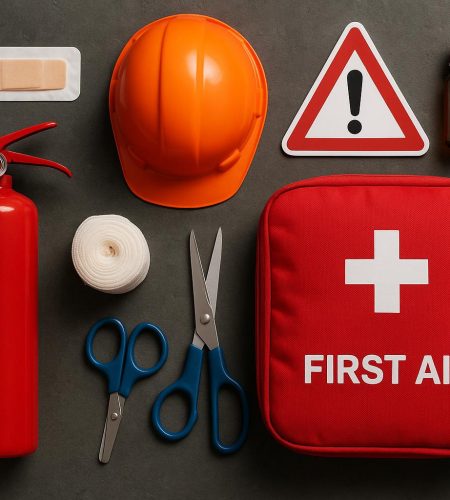
All organisations are responsible for ensuring the health and wellbeing of their employees. Medical emergencies and accidents can occur at any time in any industry. So, it is important to train people who are available to respond immediately to reduce risk, and minimise injury, as well as provide essential care until the emergency services arrive. Here, first aid at work training is one of the most effective ways of creating a safer and more prepared workplace.
Why First Aid at Work Is a Business Priority
Giving accredited first aid training for employees isn’t a legal requirement, it’s a clear sign of commitment to employee safety. Having first aid trained personnel on-site ensures that any accidents or injuries in the workplace are dealt with promptly, preventing minor incidents from escalating along with ensuring everyone is responsible and caring.
The key benefits include swift response to incidents, better employee confidence and reduced work site risk, improved health and safety compliance and employee in addition to visitor protection. Overall, a proactive first aid response to the workplace helps create a healthier and more productive workplace.
Understanding Workplace Emergency Preparedness
Being prepared for emergencies isn’t just about a first aid kit. Staff should be skilful and confident in their responses to incidents.
Responding During the Critical First Minutes
The first few minutes after an accident can be crucial. Assistance may stabilise an injured person before he/she receives professional medical attention.
Recognising Potential Hazards
By educating employees on the risks in the workplace, training can help them take necessary preventative measures along with minimising the risk of accidents.
Which Businesses Benefit Most from Workplace First Aid?
Whether it’s a large organization or a small company, any business could benefit from effective workplace first aid training certification.
Offices and Administrative Workplaces
Slips, falls, unexpected medical emergencies and accidents are a fact of life in all situations, even in the lowest-risk situations.
Construction and Manufacturing
An advanced first aid knowledge provides higher-risk industries employees with knowledge that equips them for more serious injuries that may occur in their physical work.
Schools, Retail, and Hospitality
Regularly interacting with children, the public or customers can be better responded to when staff can be trained.
Choosing a Professional Training Provider
Choosing a highly trained emergency first aid at work courses guarantees hands-on, interactive and recognised training.
Qualified Trainers with Industry Experience
Realistic scenarios are provided by experienced instructors to provide the participants a good understanding of how to apply first aid techniques confidently.
Flexible Training Solutions
A number of providers provide workplace training, have courses scheduled for their premises and can develop a course for industry needs.
Recognised Qualifications
Qualifications give employers peace of mind that the person has the requisite skills and knowledge to perform the job and supports compliance with workplace health and safety requirements.
Conclusion
Effective health and safety first aid programmes are an excellent investment in employee welfare and organisation resilience. Staff are trained professionally, which enables them to gain skills in practical life saving, build confidence in their work and help them meet their health and safety duties. In emergencies, employees are ready to intervene quickly and effectively, thereby creating a safe workplace in which people can feel safe along with support on a daily basis.
Enlist the expertise of Inspirational Training for workplace first aid as well as give your employees confidence and skills to act when every second counts.
FAQs
1. What is first aid at work training?
It is a professional training program to educate people about how to react safely and effectively to work accident incidents and medical emergencies, prior to the arrival of emergency services.
2. Is workplace first aid training a legal requirement?
Some employers are legally obliged to make suitable first aid provision according to the risks to workers in their workplace and the number of workers.
3. Who should complete workplace first aid training?
It will benefit any employee who is responsible for health and safety, supervisor, manager, first aid officer and anyone who wants to make the workplace a better emergency preparedness environment.
4. What skills are taught during the course?
Usually the training program will teach CPR, AED, Wounds, Burns, Fractures, Choking Response, Recovery Position and handling common medical emergencies.
5. How often should workplace first aid qualifications be renewed?
Once you obtain a recognised workplace first aid certificate, most courses are valid for three years, during which it is advisable to refresh the skills learnt so as to keep up to date with current best practice.